Why Consistent Lawn Mowing Service Is Essential to a Healthy Green Lawn
Maintaining a vibrant grassy yard requires more than just periodic maintenance. Regular lawn mowing plays a key role in encouraging strong grass development and overall lawn vitality. It supports fuller turf growth, helps suppress unwanted weeds, and decreases pest-related issues. However, not all cutting techniques deliver identical results. Recognizing the subtleties of efficient mowing is vital for the best possible lawn health. Which considerations should homeowners keep in mind to ensure their lawns flourish?
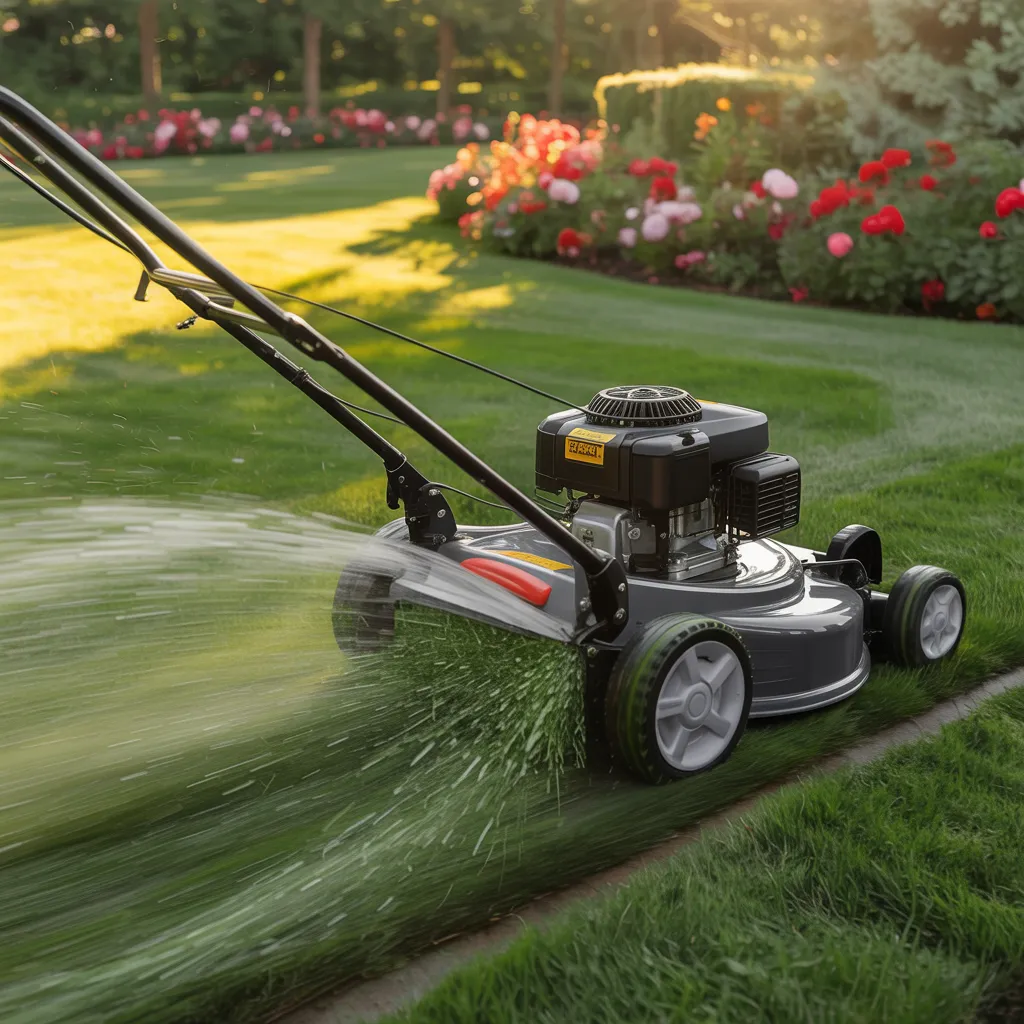
Why Routine Mowing Is Essential for Grass Health
Routine mowing plays a vital role in maintaining a healthy lawn. By cutting grass to an appropriate height, mowing helps promote a denser and more resilient turf. This process not only prevents weeds from taking root but also enables enhanced airflow and sunlight absorption, which are critical for maintaining grass health. Furthermore, consistent mowing promotes lateral growth, enabling grass plants to expand and cover bare areas.
Moreover, steady mowing routines aid in managing unwanted pests and harmful diseases, as overgrown grass is known to host unwanted insects and pathogens. By maintaining the lawn at an optimal level, property owners can reduce these threats. In addition, consistent mowing enhances the visual appeal of the lawn, enhancing the overall aesthetic of the property. As a guide result, developing a consistent mowing timetable is essential for guaranteeing that the turf continues to be rich, vibrant, and robust throughout the growing season.
The Impact of Mowing on Grass Growth and Thickness
Cutting grass influences how grass grows and thickens by affecting its development following each trim. Regular mowing encourages grasses to grow denser and thicker, as it stimulates lateral growth. When the grass is trimmed, it prompts the development of new shoots from the base, leading to a dense, verdant lawn. Furthermore, keeping an optimal mowing height is crucial; cutting too low can stress the grass, while cutting at the right height promotes healthy growth and minimizes weed invasion.
In addition, mowing at consistent intervals guarantees that nutrients are effectively utilized, preventing the grass from going into shock. This practice assists in sustaining a uniform growth pattern, helping sunlight to access the lawn with greater effectiveness. Therefore, a consistently mowed lawn becomes stronger and more visually pleasing, adding to its total health and vitality. Frequent mowing ultimately functions as a key factor in building a strong and prosperous lawn.
The Importance of Mowing for Pest Control and Disease Prevention
Mowing plays an essential role in keeping your lawn healthy by impacting pest control and disease prevention. The height at which grass is cut can influence its resilience against infestations and infections, while routine cutting helps reduce the overgrowth that invites pest activity. Correct mowing techniques not only encourage a healthy lawn but also act as a defense against possible threats.
Cutting Height Is Important
The height at which grass is cut can markedly influence a lawn's health, affecting both pest control and disease prevention. Keeping grass at the proper mowing height guarantees that grass retains sufficient leaf surface area for photosynthesis, promoting robust growth. Higher grass can provide shade to the soil, decreasing evaporation and forming a less suitable habitat for pests. Moreover, proper height allows roots to grow deeper, improving drought tolerance and general vitality. On the other hand, mowing grass too low can put stress on the plants, leaving them more prone to disease and pest infestations. Moreover, shorter grass may expose the soil, allowing weeds to establish and compete for nutrients. As a result, knowing and complying with proper mowing height guidelines is vital for cultivating a robust and flourishing lawn.
Routine Cutting Intervals
Keeping consistent mowing schedules serves an important function in the health of your lawn, particularly in pest control and disease prevention. Consistent mowing removes excess grass height, minimizing the living space for insects such as ticks and fleas, which proliferate in lengthy grass. Furthermore, trimmed turf encourages improved airflow and light exposure, establishing conditions that discourage fungal growth. Regularly scheduled mowing also encourages a dense turf, making it harder for weeds to establish and compete for resources. This forward-thinking method not only boosts the lawn's robustness but also minimizes the need for chemical treatments. Ultimately, adhering to proper cutting intervals fosters a healthier lawn that is more resistant to pest infestations and diseases, ensuring long-term health and aesthetic appeal.
Selecting the Ideal Mowing Height for Your Lawn
How can one determine the optimal mowing height for their grass? Establishing the right height is crucial for keeping a thriving lawn. Each type of grass has its own ideal height requirements; for instance, Kentucky bluegrass performs best at 2.5 to 3.5 inches, while Bermuda grass thrives at 1 to 2 inches. Sticking to these standards encourages strong root development and defends from harmful pests and common diseases.
In addition, the season plays a role in mowing height. During summer months, leaving grass a little taller can shade the soil, decreasing moisture loss. In contrast, in the cooler season, a shorter cut can guard against disease.
Consistently modifying the mower's mowing height based on these considerations guarantees ideal growth. At the end of the day, recognizing the particular requirements of the lawn variety and environmental conditions will produce a lush, healthy lawn that prospers during every season.
Why Should You Hire a Professional Mowing Service?
Using a skilled mowing service delivers expertise in lawn care that can boost the overall health of a lawn. Additionally, it offers significant time savings for homeowners who may not have the necessary skills or time to keep their lawns well-maintained. This blend of expertise and efficiency makes these professional services a worthwhile investment for a vibrant, well-groomed lawn.
Specialization In Lawn Care
While some homeowners may consider mowing their lawns a simple task, the knowledge offered by expert lawn mowing professionals can make a significant difference in the health and appearance of your lawn. Expert lawn care providers have a thorough awareness of turf species, growth seasons, and proper cutting levels. This understanding empowers them to tailor mowing techniques specifically to the lawn's needs, promoting healthier growth and reducing the risk of disease. Moreover, experienced lawn care specialists are equipped with high-quality tools designed to deliver accurate and clean cuts, resulting in a consistent and attractive lawn appearance. Their ability to recognize and address issues such as weeds or pests during scheduled mowing visits can avert more serious issues in the future, ensuring a vibrant and resilient landscape.
Time-Saving Convenience
For busy homeowners balancing demanding schedules, a professional mowing service can make a significant difference. By outsourcing lawn care, people gain back meaningful time to invest in family, career, or personal hobbies. Hiring professionals guarantees that the job is completed efficiently and consistently, eliminating the hassle of equipment maintenance and storage. Furthermore, these services typically offer flexible scheduling to suit the homeowner's requirements. This means no more worrying about fitting lawn care into a packed weekend. Ultimately, a professional mowing service not only enhances the appearance of the lawn but also provides peace of mind, enabling homeowners to appreciate their outdoor spaces free from the stress of maintenance.
How Frequently Should You Mow Your Lawn?
What is the ideal mowing frequency to preserve your lawn's health and appearance? An optimal mowing routine depends on various considerations, including the type of grass, its growth rate, and prevailing weather patterns. Generally, lawns should be mowed every one to two weeks during the growing season, which typically spans from spring to early fall.
In warmer months, especially following periods of rain or during periods of high growth, mowing on a weekly basis may be required to stop the grass from getting too long. Conversely, during cooler or drought conditions, you can reduce mowing to every two weeks or less.
Maintaining a consistent mowing height is essential; the majority of grass types flourish when trimmed to between 2.5 and 4 inches. Regular mowing not only enhances the lawn's appearance but also promotes healthy growth by preventing weeds and encouraging deeper root systems. As a result, following a customized mowing routine significantly contributes to the overall health of your lawn.
Advice for Keeping a Beautiful Lawn Between Mowing Sessions
Having set up a steady mowing schedule, preserving a vibrant lawn between mowings calls for careful attention to several essential practices. First, proper watering is essential; lawns typically need about one inch of water per week, either from rainfall or irrigation. Morning watering reduces the risk of evaporation and fungal issues.
Additionally, consistent weeding is essential. Weeds rival your grass for nutrients and moisture, so clearing them without delay supports strong grass development. Additionally, nourishing the lawn with a balanced fertilizer every few months can improve its overall health.
Additionally, aeration deserves special attention, especially in areas that experience heavy use. Performing lawn aeration permits air, water, and nutrients to better infiltrate the soil. By following these techniques, homeowners will be able to maintain a lush, thriving lawn that endures between mowing sessions, providing a verdant landscape across the full growing season.
Answers to Your Most Common Questions
What Equipment Is Best for Mowing My Lawn Effectively?
When it comes to efficient lawn mowing, a regularly maintained rotary mower is perfectly suited for most household lawns. Furthermore, reel mowers provide accuracy for compact spaces, while riding mowers maximize performance over greater stretches of land, guaranteeing a uniformly well-groomed look.
Can Over-Mowing Be Harmful to My Grass?
Overly frequent mowing can undoubtedly be detrimental to grass by stripping away too much leaf surface, which limits photosynthesis. This added pressure may result in weakened root systems and greater vulnerability to diseases, pests, and environmental pressures, eventually deteriorating overall lawn health.
How Does Weather Affect Mowing Schedules?
Weather plays a major role in scheduled mowing activities; rainfall can push back cutting schedules, while dry conditions may necessitate more frequent mowing. Changing seasons influence the rate of grass growth, requiring adjustments to maintain ideal lawn health and appearance.
What Can I Do With Grass Clippings?
Grass clippings can be left on the lawn as natural mulch, adding valuable nutrients back into the soil. They can also be composted or gathered for yard waste removal, according to local requirements and personal choice.
Should You Mow Wet or Dry Grass?
Mowing dry grass is generally preferable, as moist grass tends to clump together and result in uneven cutting. Furthermore, trimming wet grass risks compacting the soil and raising the lawn's susceptibility to disease, ultimately harming the lawn's health.